
Cartoon Furries
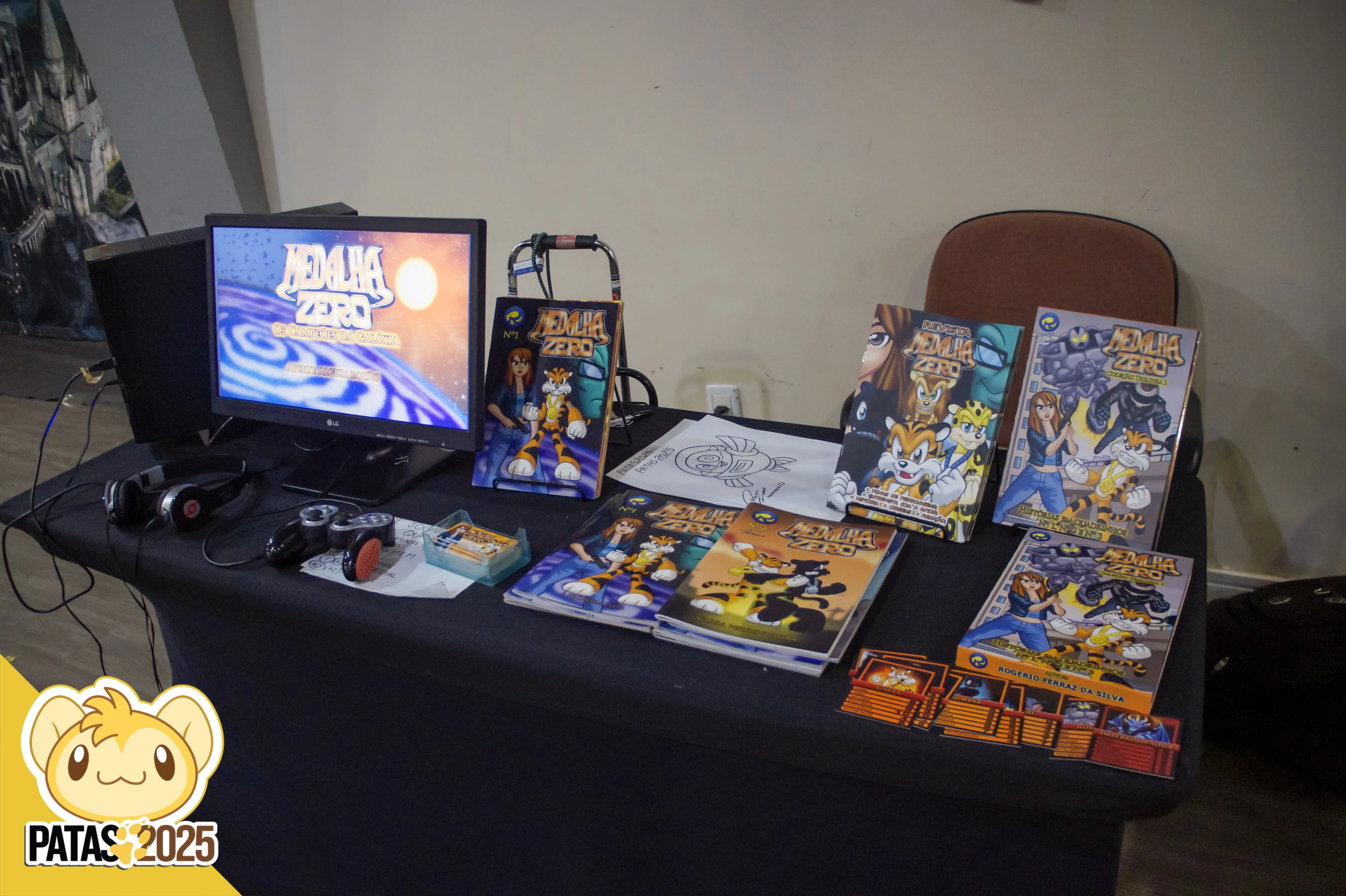
These are the enthusiasts of cartoons and comics featuring animal characters. Their interest is predominantly artistic and narrative: they love the stories, the visual style, and the characters themselves.
The word furry literally means "covered in fur." In a cultural context, it is used to refer both to a type of character and to a community of people who identify with this aesthetic and the values that surround it.
It's important to note right away: there is no single correct definition of "furry". The term is multifaceted and its meaning varies depending on context, and that, far from being a problem, reflects the richness and diversity of the fandom.
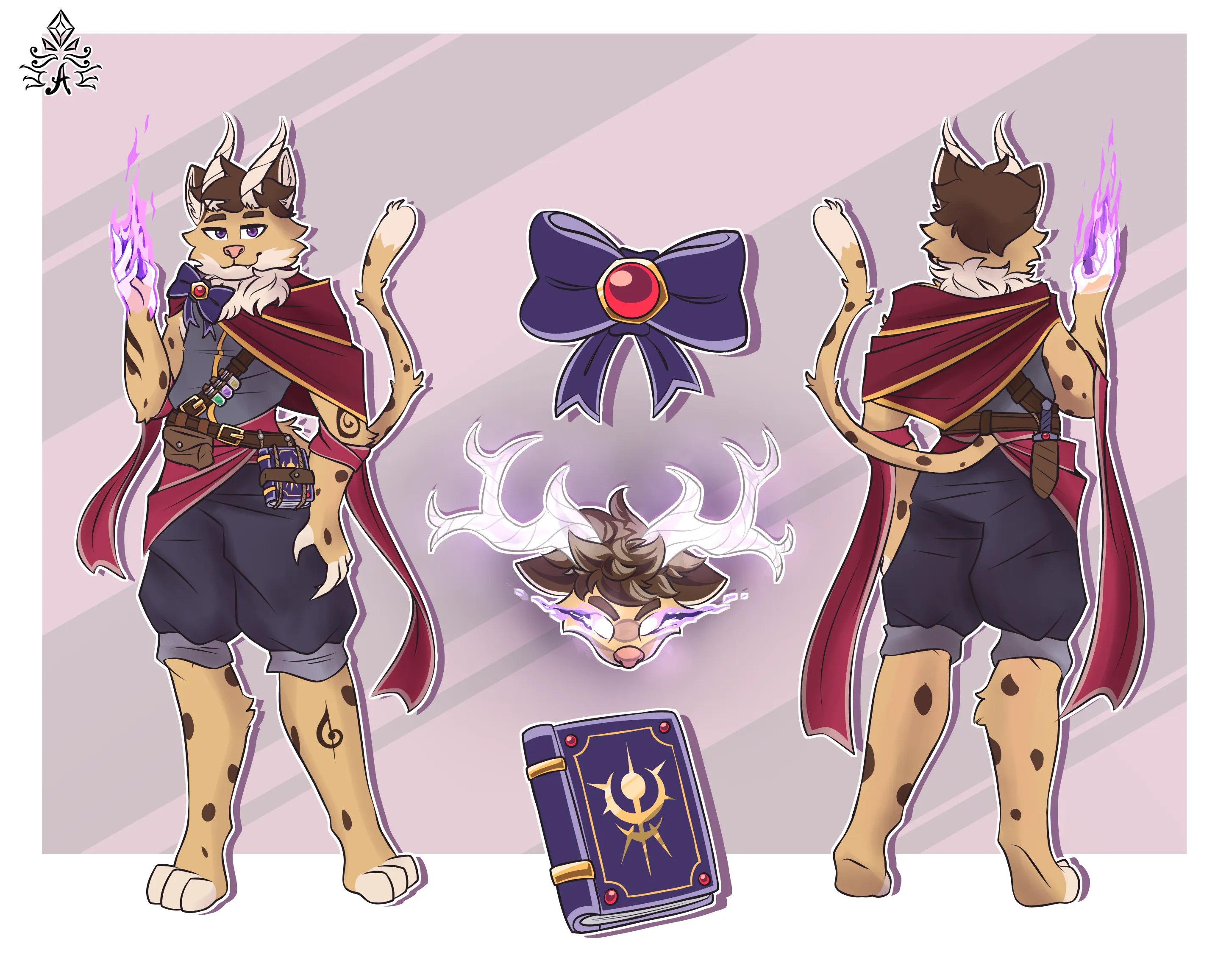
At the heart of furry culture lies the concept of anthropomorphism, the attribution of human characteristics to non-human beings. Furry characters are, in essence, animals that think, speak, feel, and live like humans, yet retain their animal physical traits: paws, tails, muzzles, ears, fur, and so on.
This idea is not new. It runs through human history since the earliest civilizations. The Egyptian god Anubis, the mermaids of Greek mythology, the werewolves of European folklore... all are ancestral expressions of the same imaginary that the furry fandom celebrates.
Today, anthropomorphic characters appear widely in comics, cartoons, video games, and literature. Popular examples include characters like Bugs Bunny, Tony the Tiger, Sly Cooper, and the cast of Star Fox. All figures that move between the animal and human worlds naturally and charismatically.
The depth and nature of this interest vary enormously from person to person.
Someone who identifies as furry is generally expressing a genuine interest in anthropomorphic creatures, characters, or animals. Some are primarily interested in the art; others enjoy writing stories with animal characters; some find in animal-related spirituality a form of self-expression; and others simply enjoy the characters for aesthetic or emotional reasons.
All these profiles fit within the fandom, and none of them is more "true" than another.
Note: Liking a furry character doesn't automatically make someone part of the fandom. What characterizes a furry is the degree and nature of the interest: a deeper identification with the anthropomorphic universe, not just casual consumption of content.
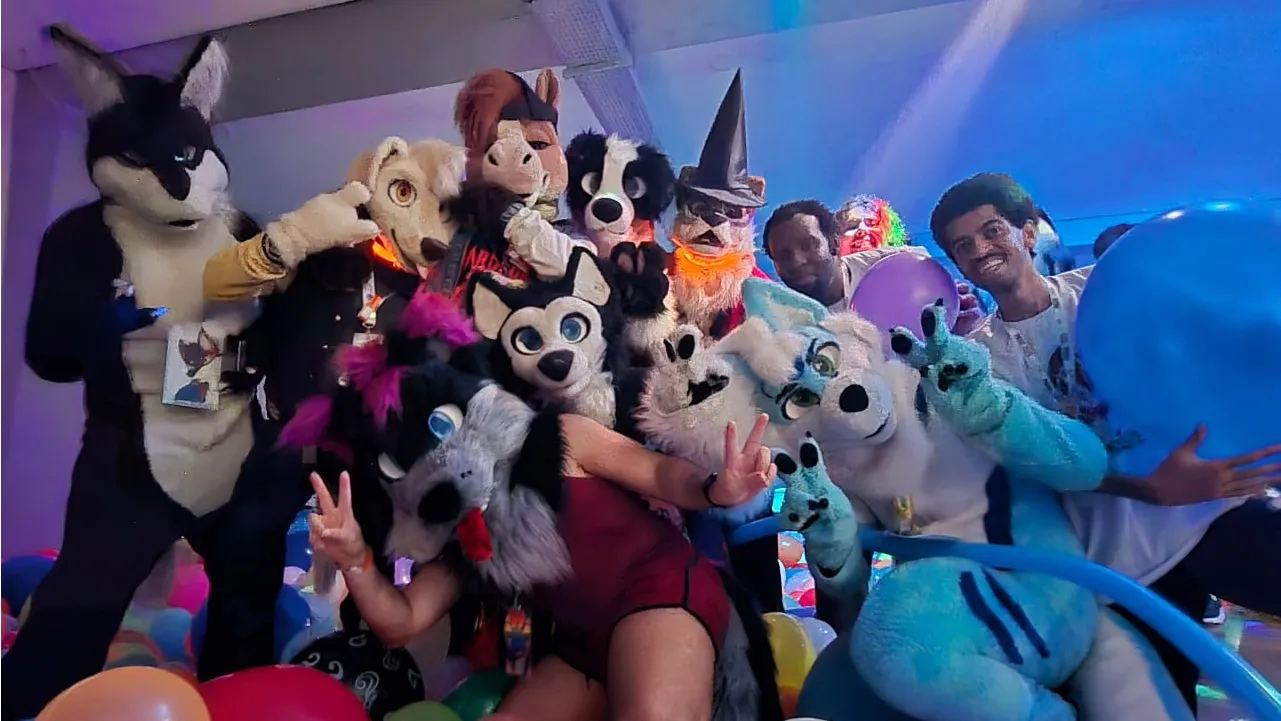
The furry fandom houses quite distinct profiles.
These are the enthusiasts of cartoons and comics featuring animal characters. Their interest is predominantly artistic and narrative: they love the stories, the visual style, and the characters themselves.
They create and inhabit fictional universes where half-human, half-animal characters exist in complex societies. Often these narratives have an aesthetic reminiscent of historical periods, such as the Victorian Era.
Some furries feel a deeper, more personal connection to the animal world, sometimes spiritual, sometimes identity-based. Therians, for example, believe they have an essential connection to a specific animal, dialoguing with ancient traditions like druidism.
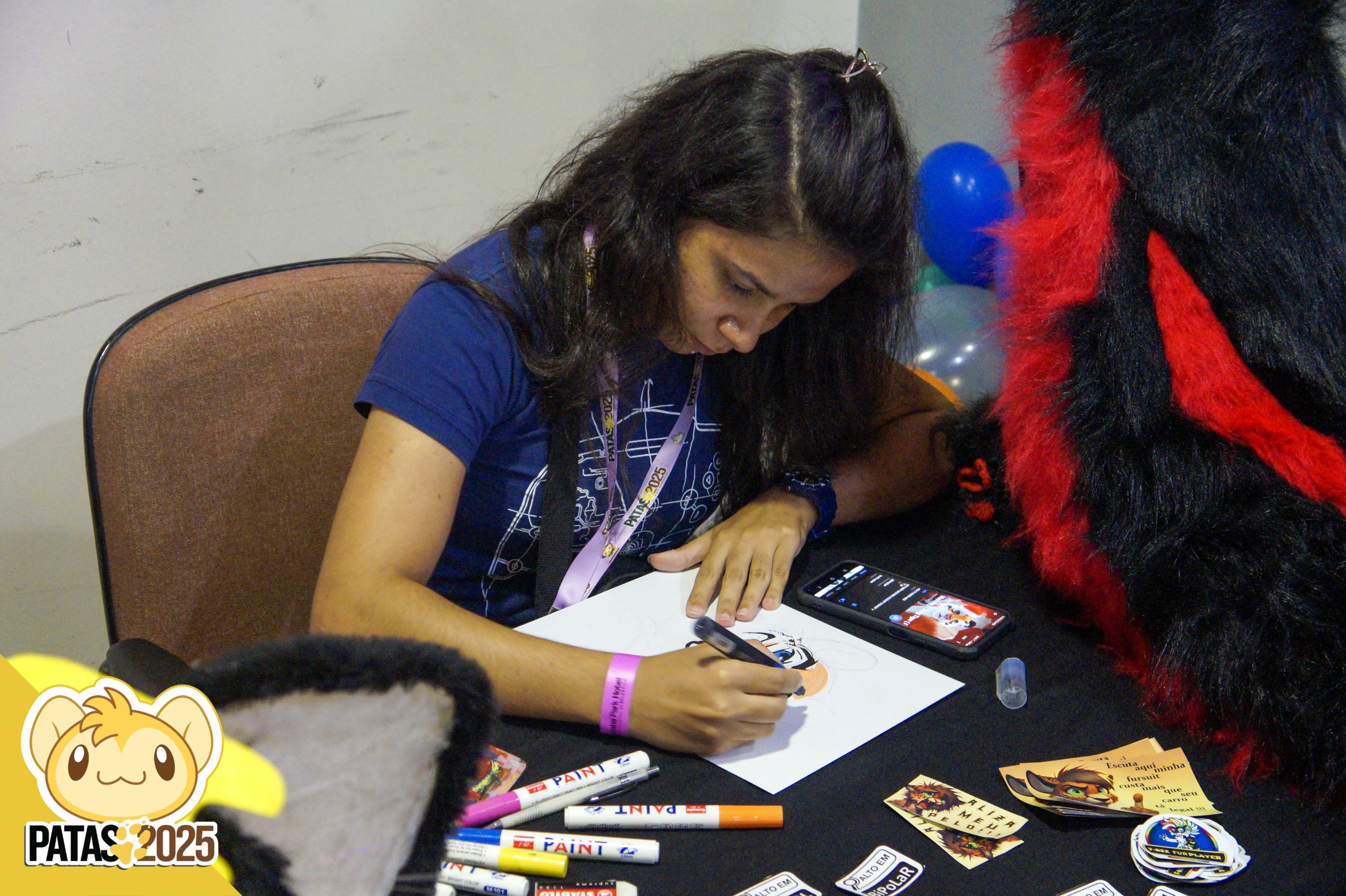
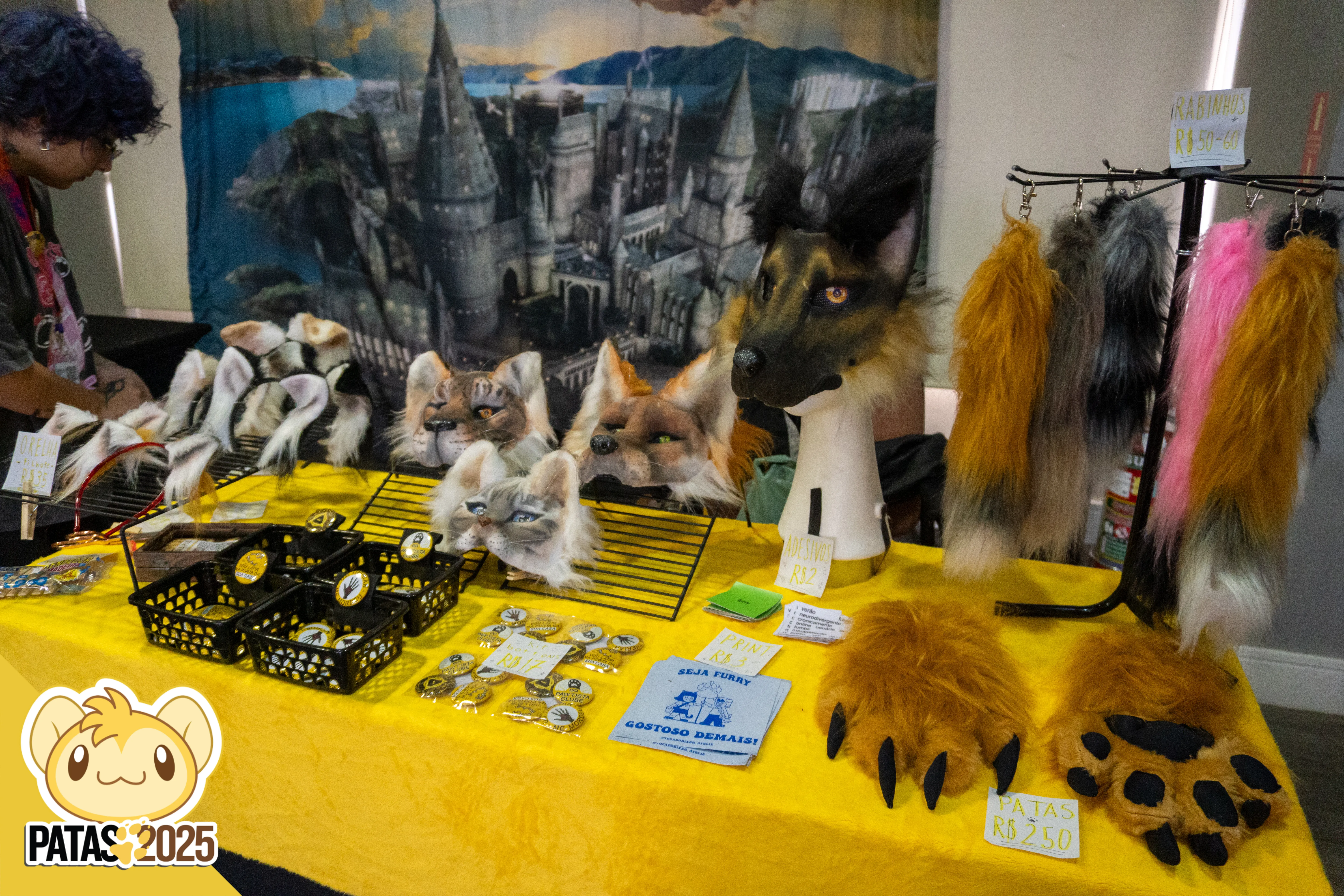
Many furries participate in the fandom primarily as creators: illustrators, writers, musicians, game developers. Furry cultural production is vast and diverse, made even by people who don't identify with the fandom.
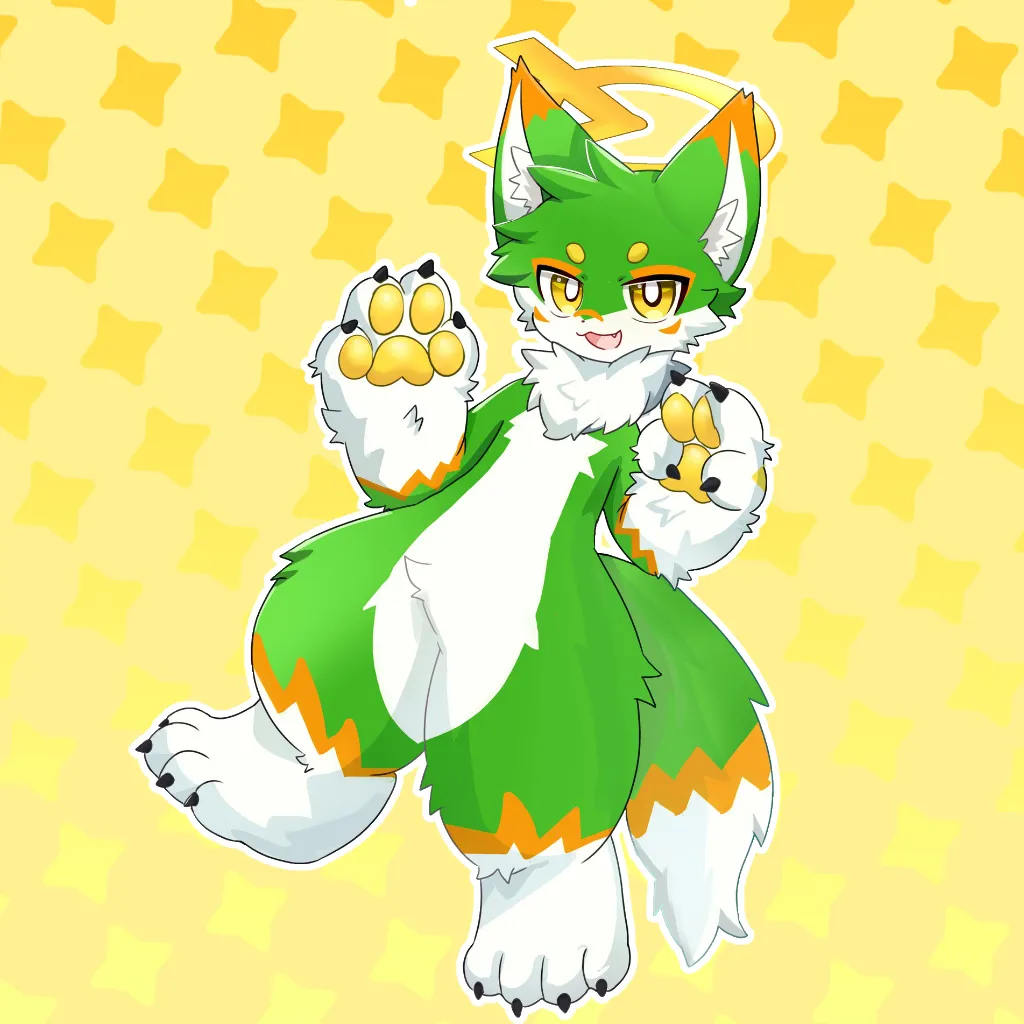
One of the most characteristic elements of furry culture is the fursona: an anthropomorphic animal character created by the furry themselves to represent who they are within the fandom. A fursona may or may not reflect the creator's real personality; for some it's almost an alter ego, for others it's simply a creative avatar.
The term comes from combining fur (furry) and persona (mask, character). Some people consider their fursona as part of a deeper spiritual or emotional identity; others treat it as an RPG or fiction character. The breadth of these interpretations is, once again, a reflection of the fandom's diversity.
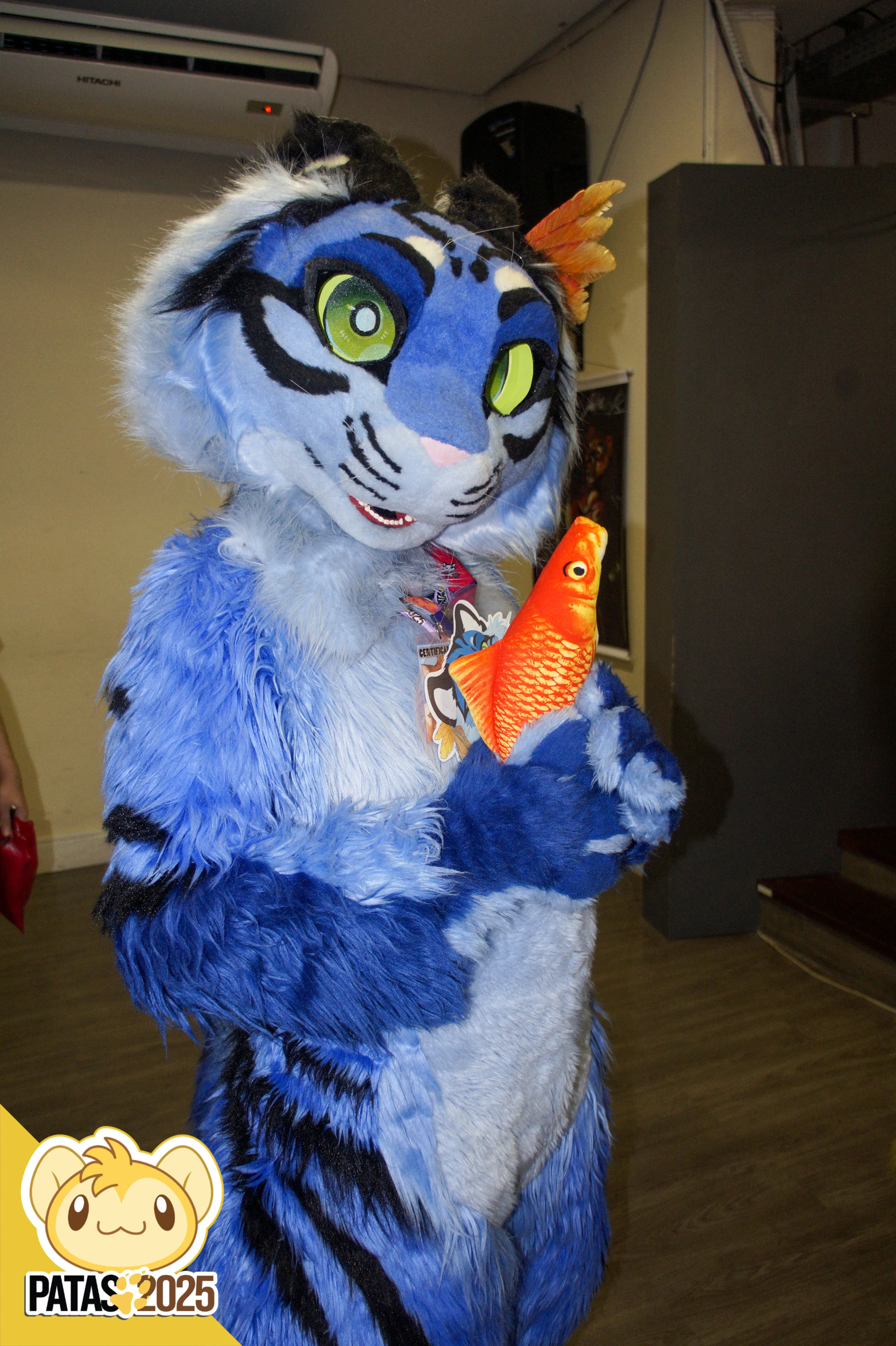
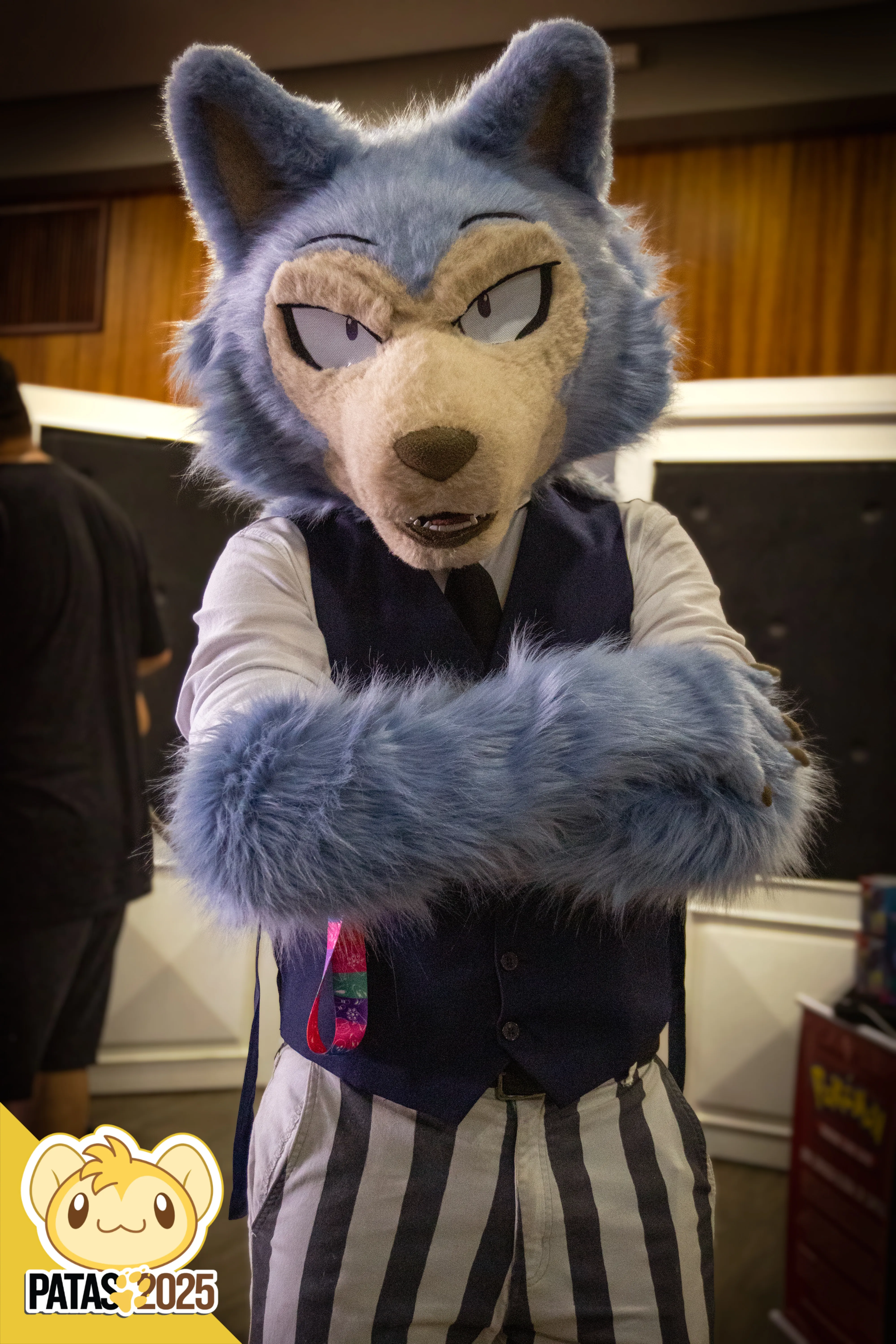
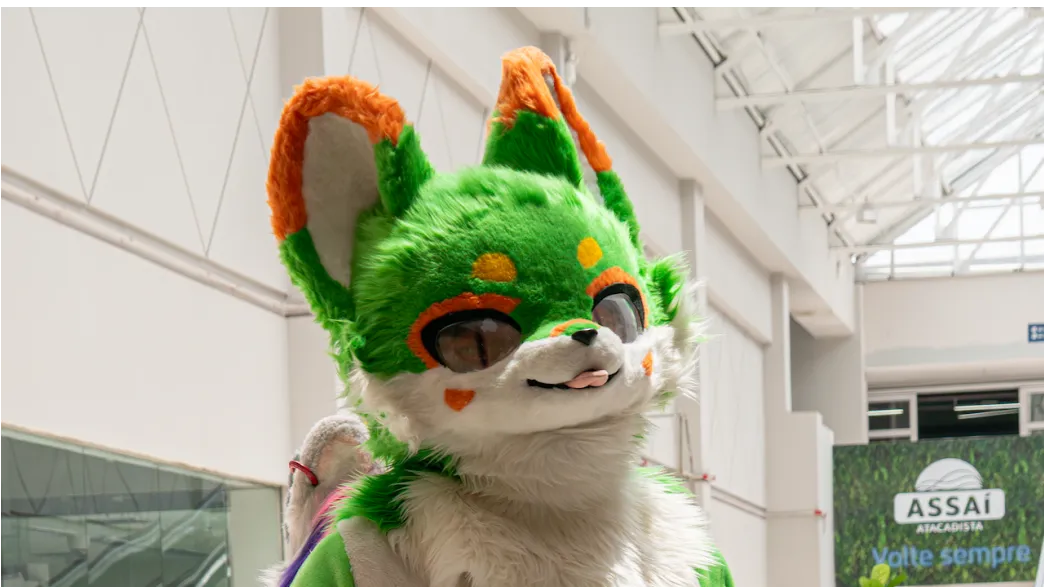
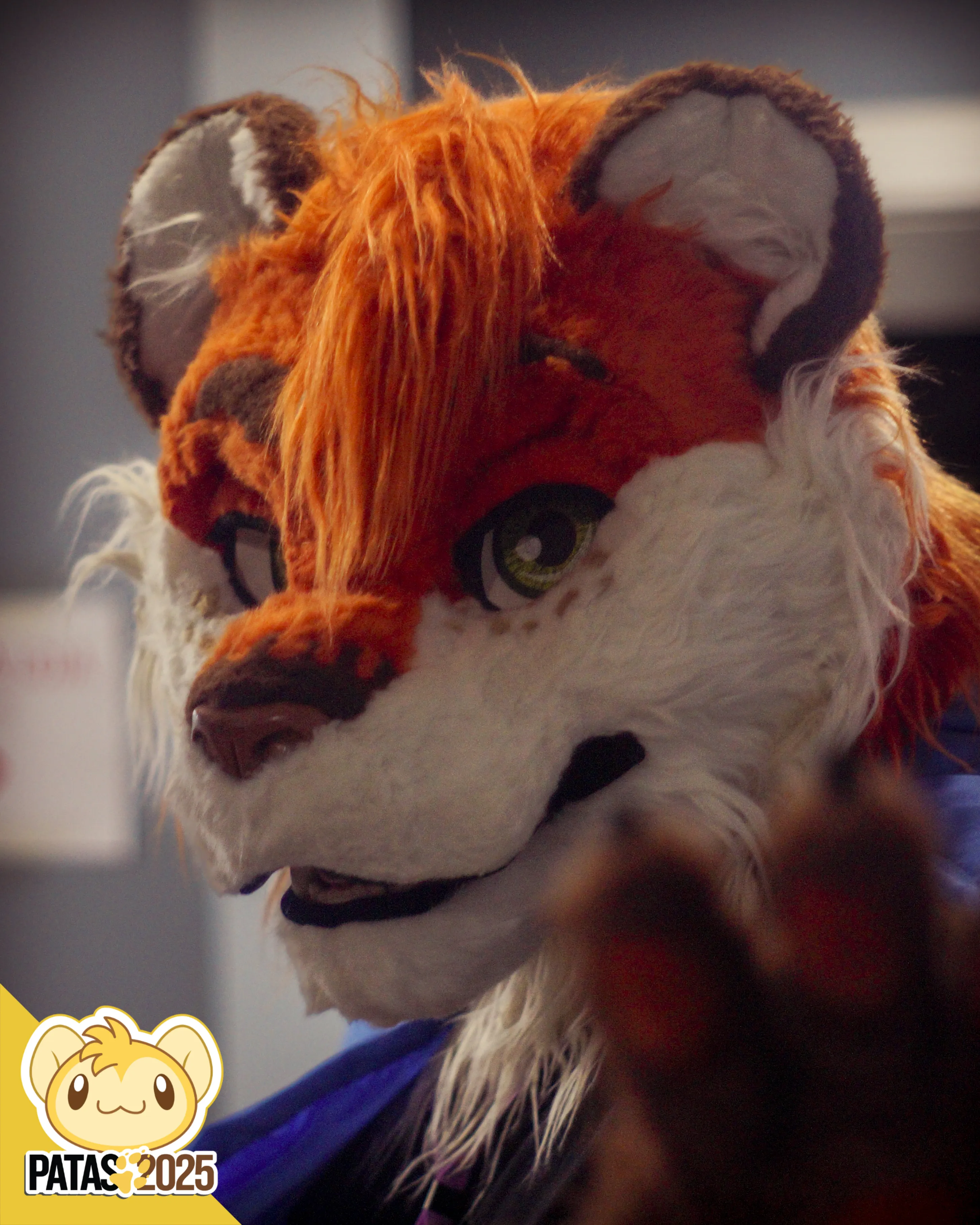
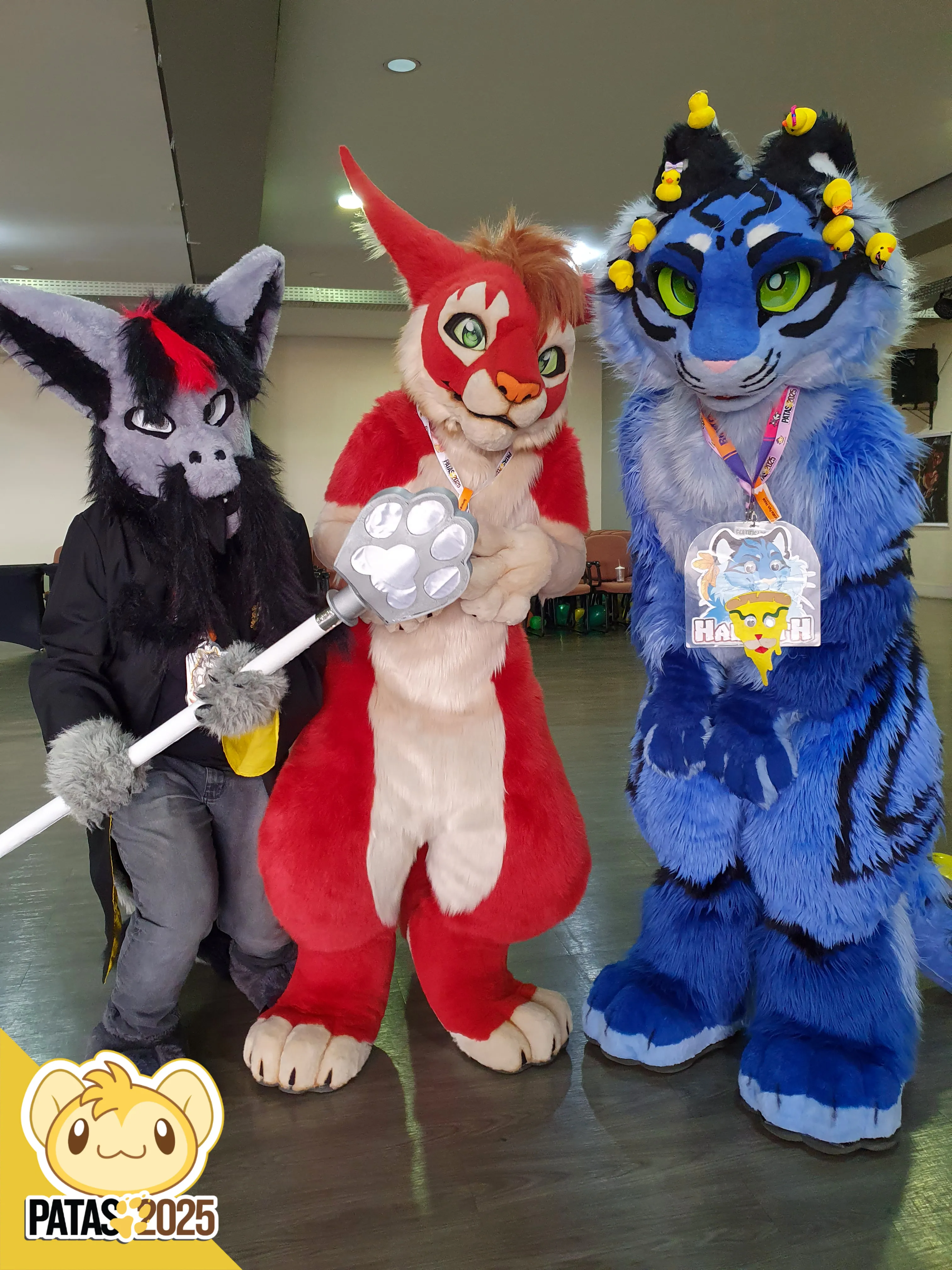
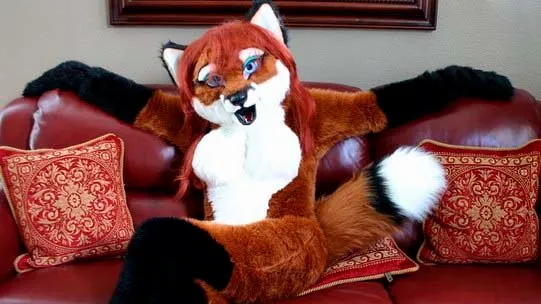
One of the most visible expressions of furry culture are fursuits: elaborate costumes built to visually represent each person's fursona. They are outfits that combine elements from sports mascots with cartoon character aesthetics.
Creating a fursuit requires knowledge of plastic arts, sewing, sculpture, and dedication. Material costs are high and access to them, in Brazil, is usually limited to major cities.
Fursuiters represent a minority within the fandom. Most furries have never worn and will never wear such a costume. A fursuit is a form of expression, not a requirement to belong to the community.
For some furries, the interest in anthropomorphic animals goes beyond entertainment and touches on questions of identity and spirituality. Some believe they have a connection to a totem animal; others identify as otherkin or weres, people who feel a deep affinity with a non-human nature.
These beliefs are neither rules nor requirements. Within the fandom, believing or not in animal spirits doesn't exclude anyone. What unites furries is a shared interest in the anthropomorphic universe, regardless of each individual's motivations.
The modern furry fandom has its roots in the United States, around 1980, when discussions about animal characters at science fiction conventions began attracting a specific group of fans. From there, fanzines and social gatherings multiplied until, by 1987, there were enough enthusiasts to organize the first official meet.
With the internet, the fandom grew exponentially. Chat servers, virtual environments like MUCKs, and communities in games like Furcadia became meeting points for furries around the world.
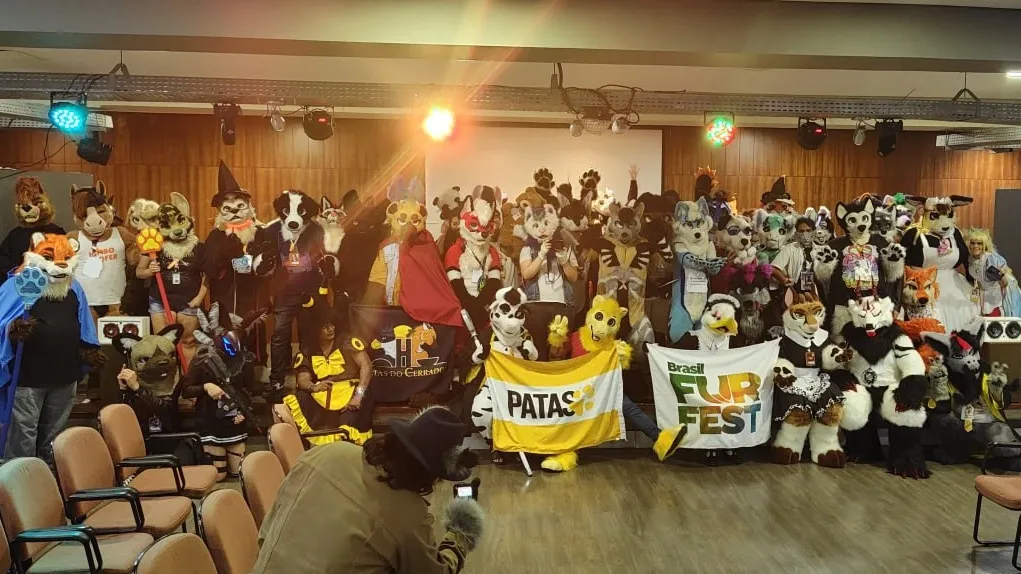
In Brazil, the furry fandom arrived via the internet in the mid-1990s. The first official forum, FurryBrasil, was created in 2000. Over time, other spaces emerged: the Fórum Felin (2002), the Furzine, and the fanzine Fauna Urbana, the first of its kind in the country.
In-person events also gained traction. National media coverage, starting in 2008 with reports on NeoTokyo, Colors, and Fantástico, helped make the fandom better known to the general public.
If it's that diverse, can it be summarized? The truth is there are at least three ways to look at this question, and all of them are correct at the same time:
Furry can simply be a character. A fictional creature that mixes human and animal traits. Think of a wolf that walks on two legs and chats with friends, or a fox who pilots a spaceship. The character itself is already "furry."
Furry can also be someone who enjoys this universe. Someone who appreciates the art, collects illustrations, follows comics, or simply thinks these characters are cool. You don't need to create a fursona or wear a fursuit. Enjoying it is enough.
And for many people, furry is something more personal. It's seeing yourself in that character, creating a fursona that represents who you are (or who you'd like to be), and finding in this community a place of belonging and expression.
None of these perspectives cancels out the others. They coexist within a fandom that, by nature, doesn't fit into neat boxes.
Being a furry is, above all, a personal relationship with the universe of anthropomorphic animals. Whether driven by love of art, narrative, spirituality, or identity. It's a fandom that has existed for decades, has deep roots in the human imagination, and continues to grow and diversify around the world.
In the end, there is no single correct meaning for "furry." And perhaps it's precisely this openness that makes the fandom so enduring and so welcoming to people of the most diverse backgrounds and interests.
We thank WikiFur for the incredible work of preserving the history and culture of the furry fandom. Much of the content on this page was inspired by the material they made available.